Clinical UpdateAugust 13, 202603 / 03
Hunan Huachuang Medical Technology Co., Ltd.
Latest clinical updates
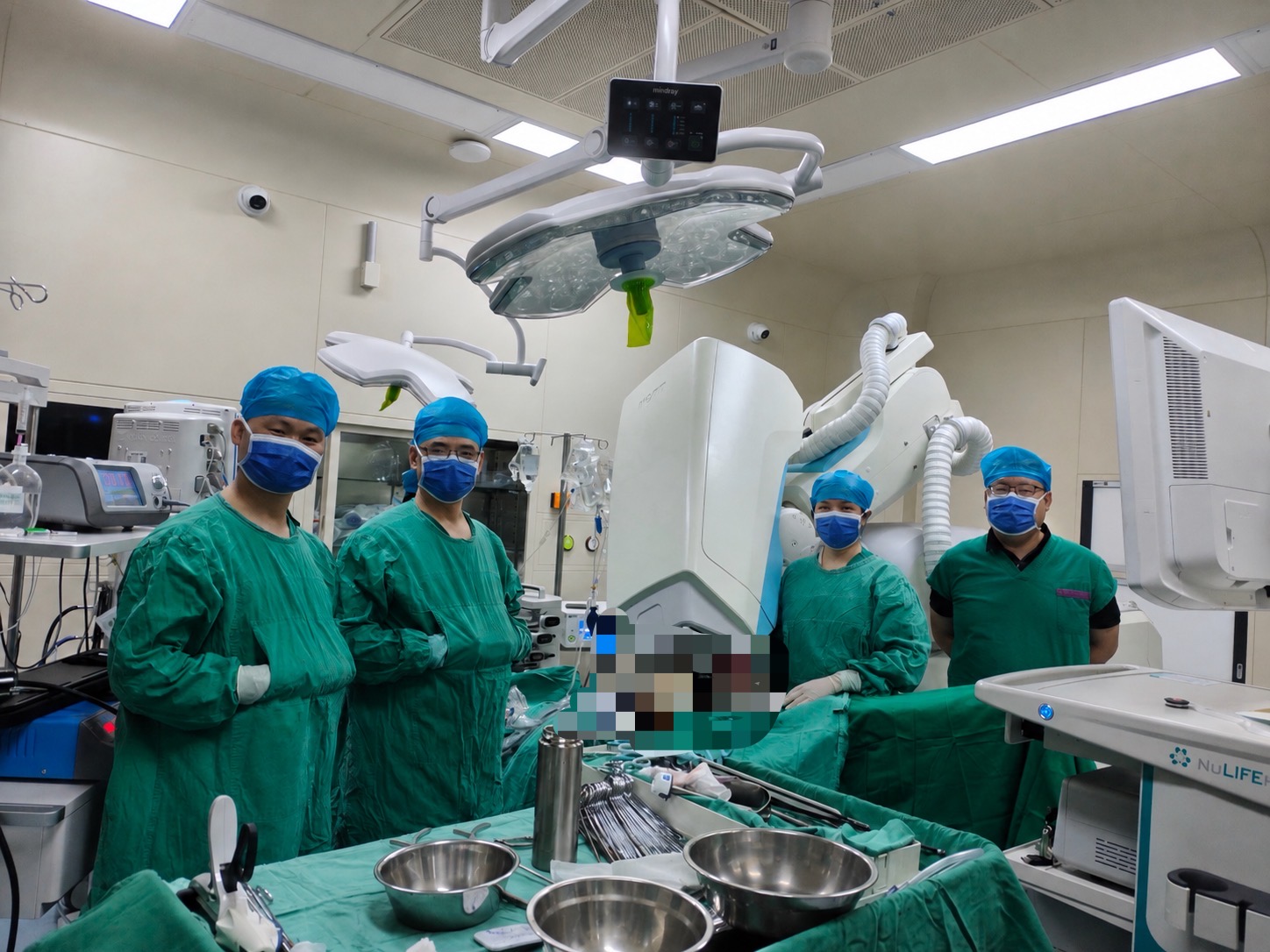
Following the world’s first laparoscopic IORT procedure for rectal cancer using a laparoscopic applicator on August 10, The First Affiliated Hospital of University of South China completed another minimally invasive laparoscopic rectal cancer IORT procedure on August 13, 2026. HC-IORT and a laparoscopic applicator were introduced through a trocar. Two laparoscopic treatment fields were delivered, and fluorescence guidance was used for the first time to assist IORT. Laparoscopic treatment field 1 — prescribed dose: 12 Gy; energy: 6 MeV; field diameter: 30 mm; field angle: 30°; beam-on time: 3.68 minutes. Laparoscopic treatment field 2 — prescribed dose: 10 Gy; energy: 6 MeV; field diameter: 30 mm; field angle: 30°; beam-on time: 2.98 minutes.
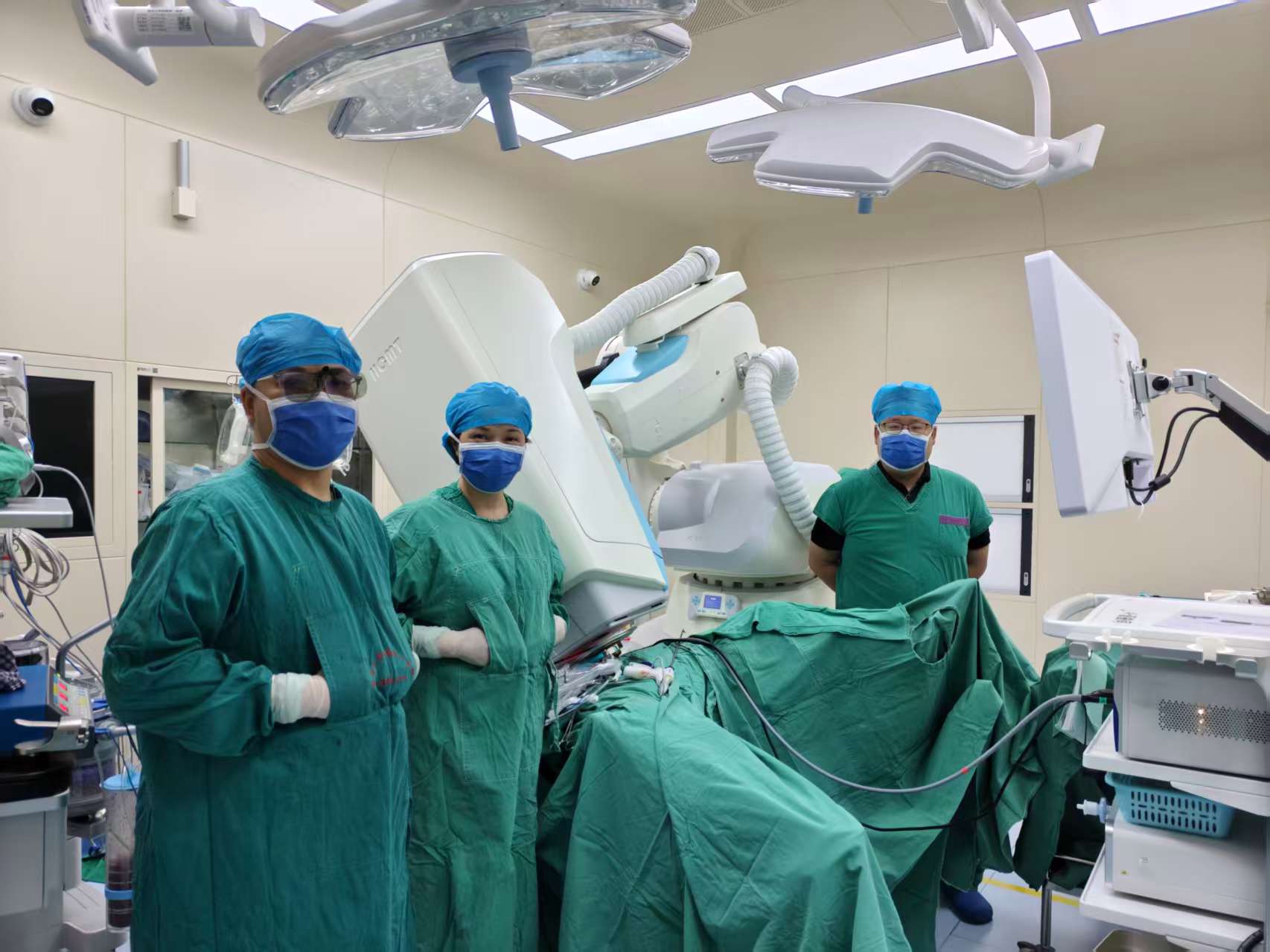
On August 18, 2026, The First Affiliated Hospital of University of South China used HC-IORT to successfully complete the world’s first rectal cancer IORT procedure with an electron beam spherical applicator. Spherical treatment field diameter: 50 mm; prescribed dose: 15 Gy; energy: 9 MeV; beam-on time: 4.91 minutes.
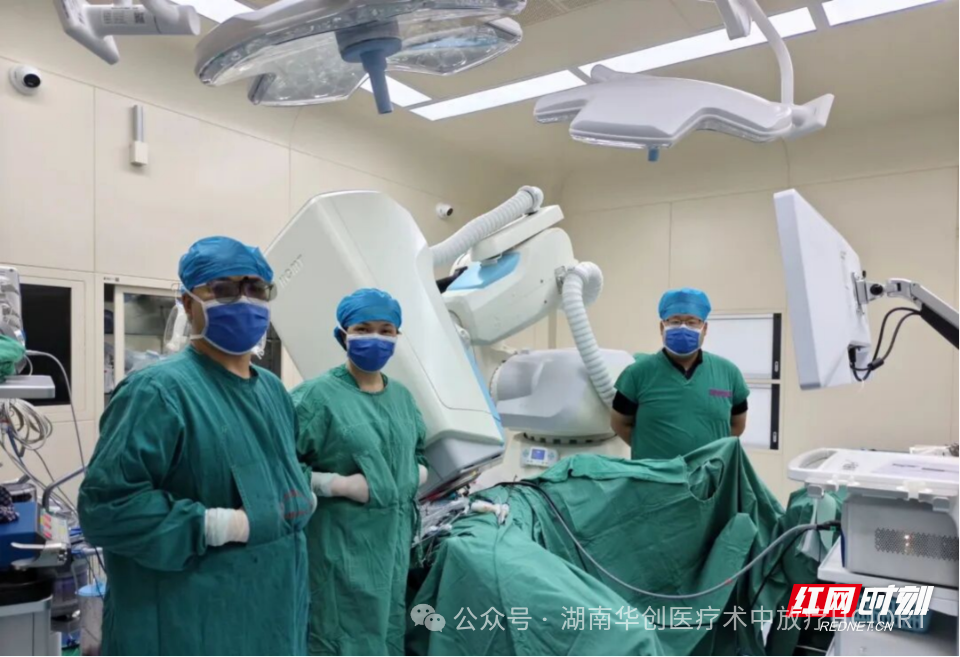
Rednet News, August 24 (Correspondent: Long Hong) — Recently, the gastrointestinal surgery team led by Ouyang Jun at The First Affiliated Hospital of University of South China, working with the radiotherapy team led by Manbo Cai from the Department of Oncology, successfully performed a 3D laparoscopic radical resection for rectal cancer (Dixon procedure). Using HC-IORT, the teams completed the hospital’s first rectal cancer intraoperative radiotherapy procedure with an electron beam spherical applicator, seamlessly integrating surgical resection with IORT. Rectal tumors are located within the narrow, deep pelvis. In some high-risk patients, subclinical disease that is difficult to detect visually may remain even after all visible tumor has been surgically removed, creating a risk of local recurrence. IORT can deliver a localized boost to areas at high risk of recurrence during surgery. Normal tissues can be displaced outside the irradiation field for protection, allowing potential residual disease to be targeted precisely. When combined with surgery and postoperative external beam radiotherapy, this approach may further improve surgical benefit and the likelihood of cure. During this procedure, Ouyang Jun’s team used 3D laparoscopy to complete precise radical resection of the rectal tumor. After tumor removal, Manbo Cai’s radiotherapy team identified the target area at high risk of recurrence under direct laparoscopic visualization. Because the pelvic surgical bed may be curved, recessed or otherwise irregular, a conventional planar applicator may not conform adequately or match the intended treatment area. The clinical team therefore selected a 50 mm electron beam spherical applicator. Its curved surface conformed closely to the complex deep-pelvic surgical bed, reducing geometric mismatch and helping deliver an adequate, uniform dose to the tumor bed. The prescribed dose was 15 Gy using a 9 MeV electron beam, with an actual beam-on time of only 4.91 minutes. Precise resection and targeted irradiation were completed during the same operation, providing a new technical approach to local treatment of high-risk rectal cancer in the deep pelvis. The successful procedure represents another advance in multidisciplinary rectal cancer care at the hospital and may help strengthen comprehensive treatment capabilities for gastrointestinal tumors in southern Hunan.
Scroll down to view earlier news
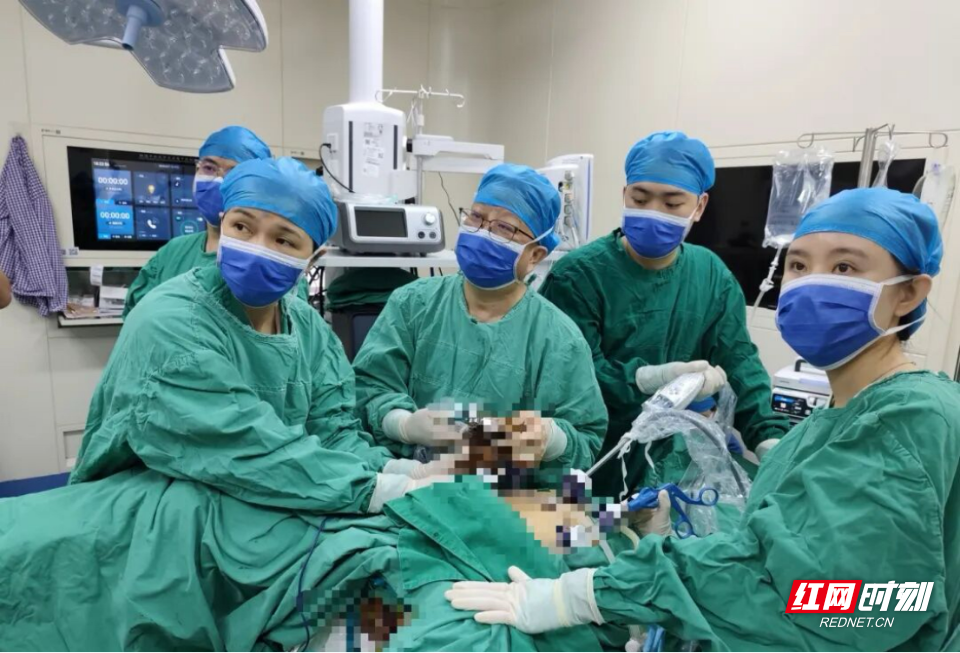
Rednet News, August 12 (Correspondent: Long Hong) — On August 10, the gastrointestinal surgery team led by Ouyang Jun and the radiotherapy team led by Manbo Cai at The First Affiliated Hospital of University of South China worked closely together to complete the first laparoscopic intraoperative radiotherapy (IORT) procedure for rectal cancer using HC-IORT, the first system of its kind in China and independently developed in Hunan. The operation integrated transanal total mesorectal excision (TaTME), lateral lymph node dissection and IORT. After radical tumor resection, ultra-low sphincter preservation and lateral lymph node dissection, a single precise high dose of radiation was delivered to the area at risk for subclinical disease. Surgery and radiotherapy were therefore completed in the same operating session, providing a more precise and individualized multidisciplinary treatment approach for patients with locally advanced rectal cancer. Multiple Technologies Working Together to Add Another Line of Defense in Precision Rectal Cancer Treatment Rectal cancer is one of the common gastrointestinal malignancies in China. Low rectal cancer, particularly locally advanced disease, is difficult to treat surgically because the tumor lies deep within the narrow pelvis, surrounded by major blood vessels, nerves and genitourinary structures. Some patients also face a risk of lateral lymph node metastasis and postoperative local recurrence. Further reducing local recurrence while maintaining radical oncologic resection has therefore remained a major focus of rectal cancer surgery. During this operation, Ouyang Jun’s team first performed laparoscopic-assisted combined transabdominal and transanal total mesorectal excision (TaTME). This minimally invasive approach from above and below enabled precise sphincter preservation for low rectal cancer within the narrow, deep pelvis, an area traditionally considered difficult to access. The team also completed meticulous dissection and total excision of the mesorectum to maximize oncologic effectiveness and postoperative quality of life. Because the patient was at risk of lateral lymph node metastasis, the team then performed right lateral lymph node dissection (LLND). The pelvic autonomic nerves, major vessels and surrounding organs were identified precisely, and potential sites of metastasis were dissected systematically to achieve regional tumor control while preserving function. After tumor resection and lateral lymph node dissection, Manbo Cai’s radiotherapy team incorporated IORT into the laparoscopic rectal cancer operation. A spherical applicator and a laparoscopic collimator were used to directly align with the tumor bed, lymphatic drainage region and areas at risk of microscopic residual disease, enabling a single precise high-dose irradiation. This innovative treatment model represents a transition from tumor resection alone to precise multidisciplinary treatment. The multidimensional strategy of precise resection, regional lymph node dissection and precise IORT can improve local tumor control while maximizing protection of normal tissues and pelvic function, offering a new direction for the treatment of locally advanced rectal cancer. Precise Intraoperative Targeting Brings Radiotherapy Closer to High-Risk Tumor Areas External beam radiotherapy, whether delivered before or after surgery, has a proven role in reducing rectal cancer recurrence and improving prognosis, but each approach has limitations. After preoperative radiotherapy, adhesions and displacement of pelvic tissues and organs may increase surgical difficulty. Postoperative radiotherapy may increase the risk of complications such as small-bowel injury. After precise tumor resection and protection of critical structures, IORT can deliver a localized, single high dose to high-risk areas, potentially reducing radiation-related tissue injury and achieving a better balance between tumor control and functional preservation. The pelvic anatomy surrounding rectal cancer is complex, with the small bowel, bladder, ureters, nerves and other critical tissues located around the tumor bed. Combining IORT with laparoscopic radical surgery for rectal cancer provides a new technical approach to precise targeting, organ-function preservation, recurrence-risk reduction and improved prognosis. From a Single Operation to Multidisciplinary Precision Treatment Ouyang Jun’s team noted that rectal cancer treatment has progressed from a singular focus on tumor removal to an era of precision treatment centered on accurate staging, standardized surgery, multidisciplinary therapy and functional preservation. This first laparoscopic rectal cancer IORT procedure was not simply a combination of two techniques. Based on the patient’s tumor characteristics, it integrated TaTME, lateral lymph node dissection and IORT into a coordinated treatment. By overcoming the conventional separation in time between surgery and radiotherapy, the technique effectively brought the operating room and radiotherapy suite together and represents a landmark achievement in the hospital’s development of precision medicine. In recent years, the hospital’s Department of Gastrointestinal Surgery has continued to advance minimally invasive treatment of gastrointestinal tumors, sphincter-preserving treatment for low rectal cancer and complex pelvic surgery, while promoting the development of laparoscopic, robotic and multidisciplinary treatment techniques. The successful operation resulted from multidisciplinary collaboration among gastrointestinal surgery, oncology, anesthesiology, the operating department and the wider clinical care team. It marks an important step in integrating minimally invasive rectal cancer surgery with precise IORT at the hospital. The Department of Gastrointestinal Surgery will continue to explore precision diagnosis and treatment of gastrointestinal malignancies through multidisciplinary collaboration and technical innovation, providing patients with more standardized, precise and individualized treatment while contributing to higher standards of gastrointestinal cancer care in Hunan and across China.
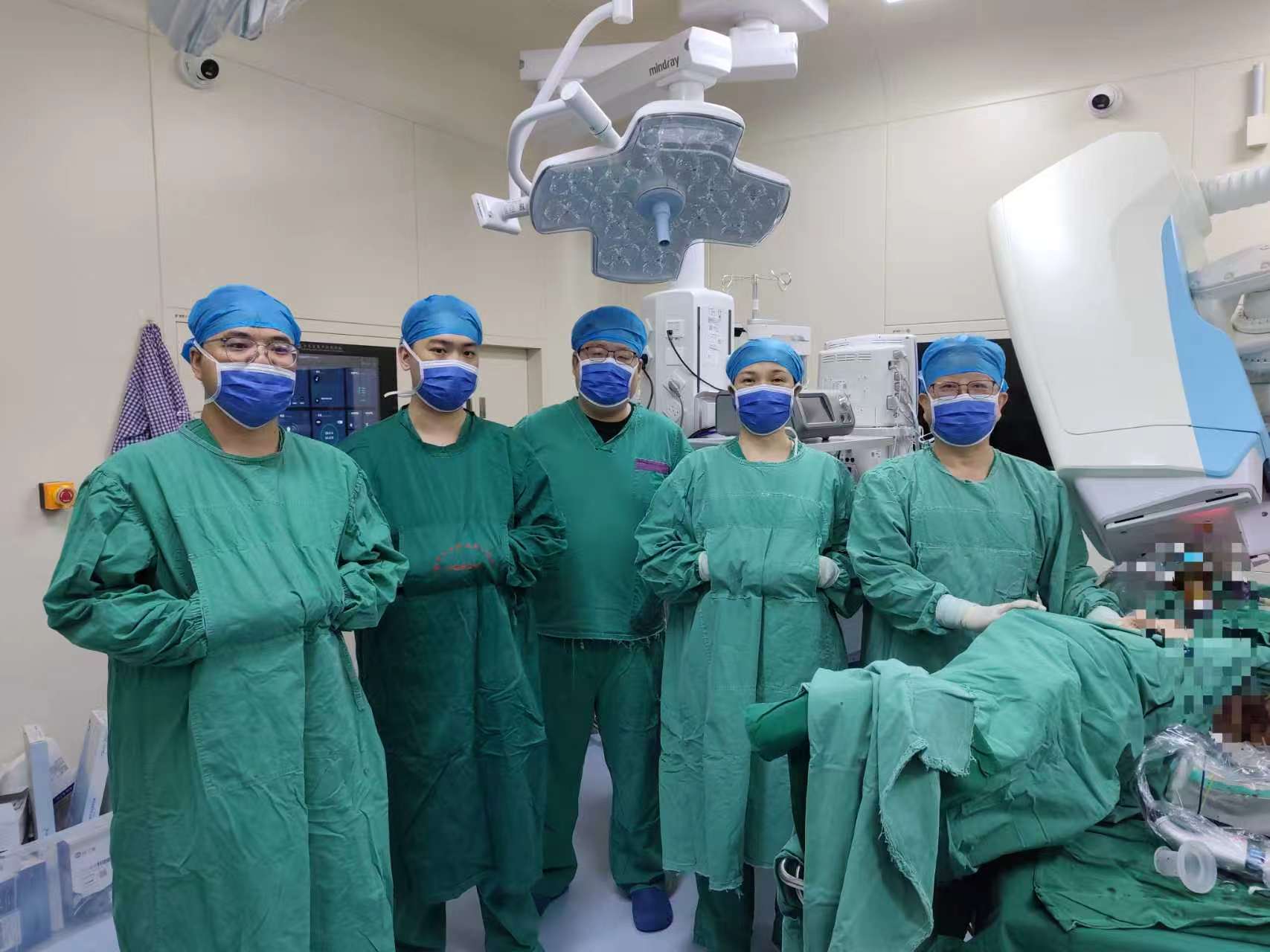
On August 10, 2026, The First Affiliated Hospital of University of South China used HC-IORT to successfully complete the world’s first laparoscopic IORT procedure for rectal cancer. Three treatment fields were delivered: two laparoscopic fields and one spherical field. Laparoscopic treatment field 1 — prescribed dose: 12 Gy; energy: 6 MeV; field diameter: 30 mm; field angle: 30°; beam-on time: 3.93 minutes. Laparoscopic treatment field 2 — prescribed dose: 12 Gy; energy: 6 MeV; field diameter: 30 mm; field angle: 45°; beam-on time: 4.28 minutes. Spherical treatment field — prescribed dose: 12 Gy; energy: 9 MeV; field diameter: 40 mm; beam-on time: 4.51 minutes.
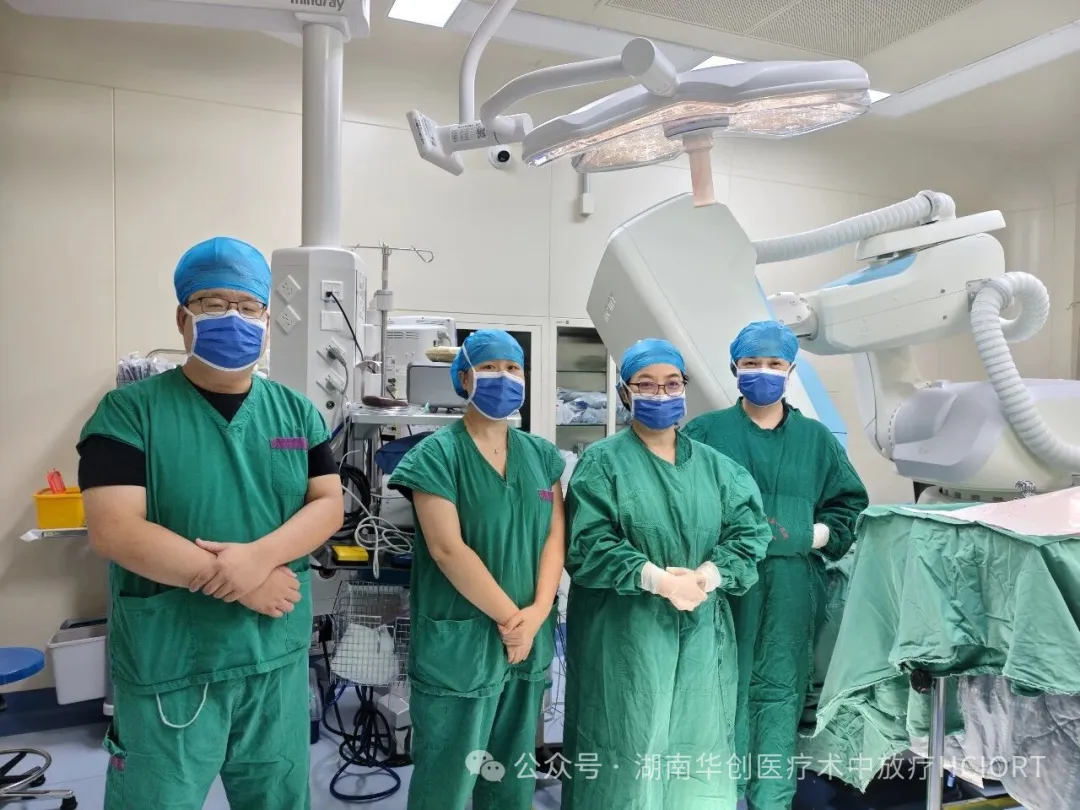
On August 4, 2026, The First Affiliated Hospital of University of South China used HC-IORT to successfully complete Hunan’s first IORT procedure for recurrent ovarian cancer. Prescribed dose: 12 Gy; energy: 6 MeV; bolus thickness: 0.5 cm; field diameter: 30 mm; beam-on time: 2.41 minutes.
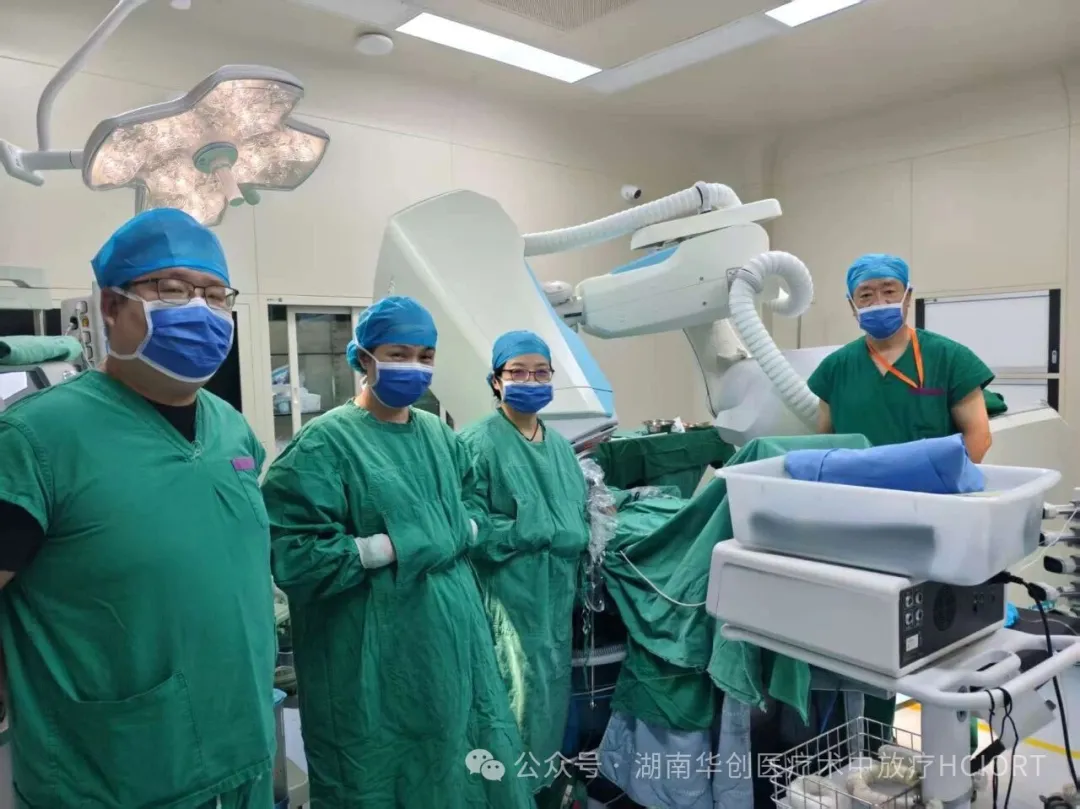
On the morning of July 7, 2026, The First Affiliated Hospital of University of South China used HC-IORT to successfully complete the world’s first vulvar cancer IORT procedure with a mobile electron beam cylindrical applicator. Prescribed dose: 10 Gy; energy: 6 MeV; bolus thickness: 1 cm; field diameter: 40 mm; beam-on time: 1.8 minutes.
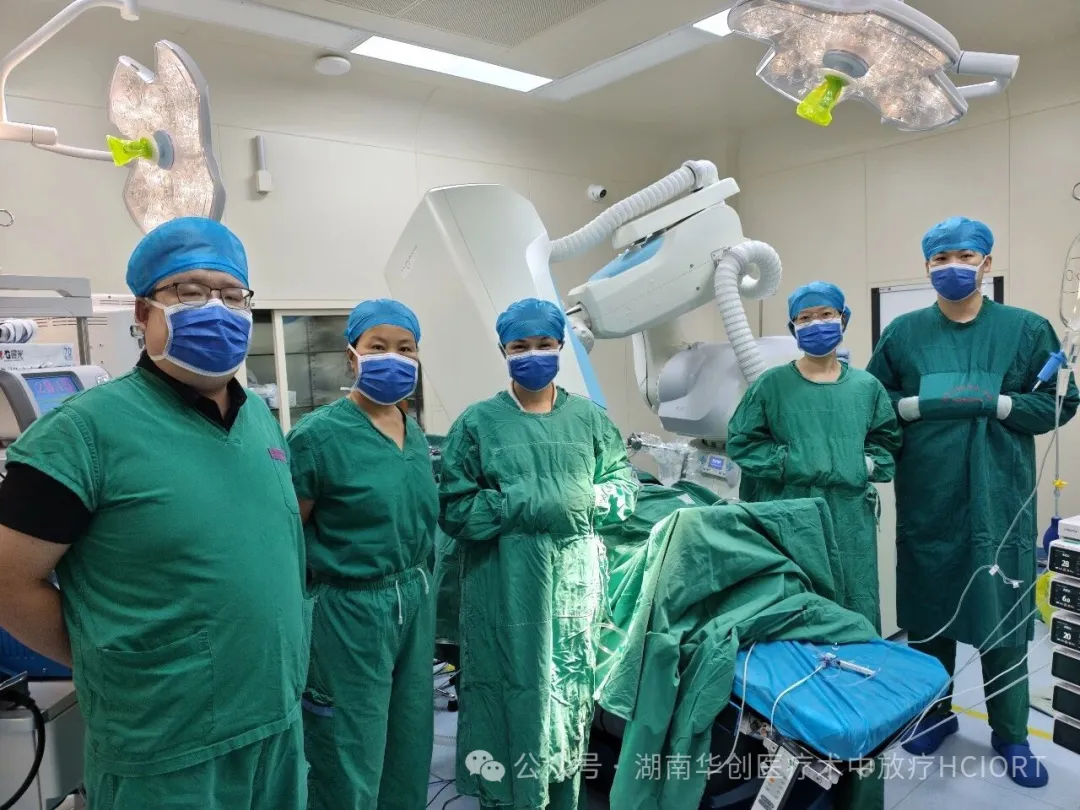
On the morning of July 6, 2026, The First Affiliated Hospital of University of South China used HC-IORT to successfully complete the world’s first vulvar cancer IORT procedure with an electron beam spherical applicator. Prescribed dose: 10 Gy; energy: 9 MeV; field diameter: 30 mm; beam-on time: 2.26 minutes.
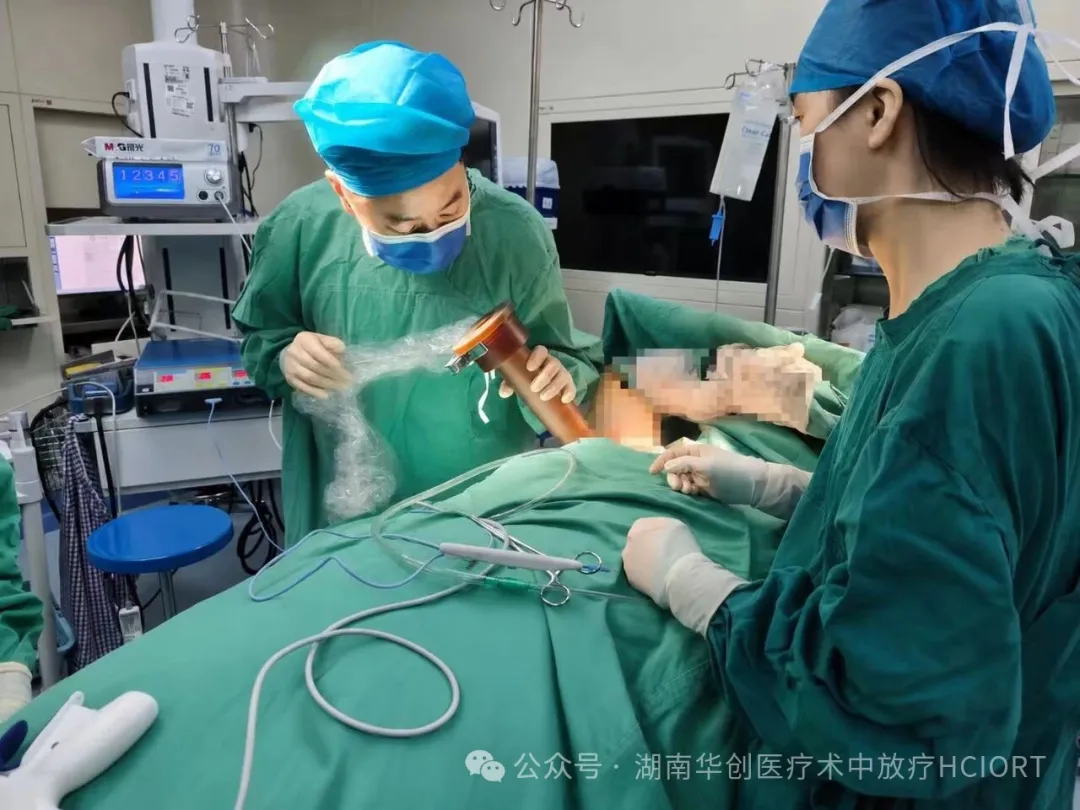
On July 1, 2026, The First Affiliated Hospital of University of South China used HC-IORT to successfully complete Hunan’s first electron beam IORT procedure for axillary liposarcoma. Prescribed dose: 20 Gy; energy: 6 MeV; field diameter: 30 mm; bolus thickness: 1 cm; beam-on time: 5.01 minutes.
This page is provided solely to present clinical application updates and does not constitute medical advice, a basis for diagnosis or treatment, or a commitment regarding product use.